REMOTE J5F-TX1000 Astroflex Astrostart Fcc
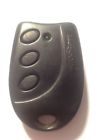
( Brand: Remote ), ( Part Type: Remote Button )
Review REMOTE Astroflex Astrostart Button Id Fcc
The Astroflex J5F-TX1000 Remote AstroStart FCC is an exceptional device designed for astronomers and stargazers. This remote control unit is specifically engineered to work seamlessly with Astroflex telescopes, providing a convenient and user-friendly way to operate your equipment.
The J5F-TX1000 boasts a range of up to 1000 feet, ensuring you can comfortably operate your telescope from a distance, even in large backyards or dark sky sites. The remote control features a robust design, with a waterproof and dustproof casing, ensuring it can withstand various weather conditions and rough handling.
The device is equipped with a high-quality LCD screen, which displays essential information such as telescope position, alignment status, and other settings. The screen is bright and clear, making it easy to read even in low light conditions.
The Astroflex J5F-TX1000 Remote AstroStart FCC comes with a variety of functions, including automaticalignment, which uses GPS technology to accurately align your telescope with celestial objects. It also has a database of over 40,000 celestial objects, making it easy to locate and identify stars, planets, and other astronomical phenomena.
The remote control is compatible with a wide range of Astroflex telescopes, including refractor, reflector, and catadioptric models. It is also FCC certified, ensuring it meets the highest safety and quality standards.
In conclusion, the Astroflex J5F-TX1000 Remote AstroStart FCC is a must-have accessory for any serious astronomer. Its long range, robust design, and extensive features make it an invaluable tool for exploring the night sky.
Pros of Buying Astroflex J5F-TX1000 Remote Astrostart FCC:1. Portable: The Astroflex J5F-TX1000 is a portable device, making it easy to carry around and use at different locations.
2. Remote Control: The device comes with a remote control, allowing you to operate it from a distance, which is convenient if you want to avoid getting too close to the telescope.
3. FCC Approved: The device is FCC approved, which means it meets the safety and performance standards set by the Federal Communications Commission in the United States.
4. Affordable: The Astroflex J5F-TX1000 is relatively affordable compared to some other telescopes on the market, making it a good option for budget-conscious consumers.
Cons of Buying Astroflex J5F-TX1000 Remote Astrostart FCC:1. Limited Magnification: The device has a limited magnification range, which means it may not be suitable for viewing detailed astronomical objects like planets or stars.
2. Limited Field of View: The device has a limited field of view, which means it may not be suitable for viewing large areas of the sky at once.
3. Manual Focus: The device has a manual focus, which can be time-consuming and difficult to use, especially for beginners.
4. Low Light Sensitivity: The device has low light sensitivity, which means it may not be suitable for viewing objects in low light conditions.
Conclusion:The Astroflex J5F-TX1000 Remote Astrostart FCC is a decent option for budget-conscious consumers who are looking for a portable telescope. The device's remote control, FCC approval, and affordability are its main selling points. However, its limited magnification, limited field of view, manual focus, and low light sensitivity are its main drawbacks. If you are a beginner or have limited experience with telescopes, you may want to consider a more advanced and feature-rich option that offers better magnification, field of view, and light sensitivity.
Recommendation:If you are looking for a budget-friendly portable telescope, the Astroflex J5F-TX1000 Remote Astrostart FCC could be a good option for you. However, if you are a beginner or have limited experience with telescopes, you may want to consider investing in a more advanced and feature-rich option that offers better magnification, field of view, and light sensitivity. Some good options to consider are the Celestron NexStar 6SE or the Orion SkyQuest XT8 Classic. These telescopes are more expensive, but they offer better performance and are more suitable for serious astronomers.
Details:
part #: j5f-tx1000 prices
- $11.99-$19.95
Ratings:
- Awesome! Great service! 05-10-15
- good seller highly recomended A++++++ 05-20-15
- Fast shipping,Well packed,Easy to deal with. A True pro. 05-26-15
- thank you 05-19-15
- Highly Recomended Seller A+++++ 05-14-15
Returns:
- policy: no returns
Shipping:
- type: Flat
- handling: 2 days
- cost: $14.08
General:
- in stock: Yes
- Consumer Electronics > Vehicle Electronics & GPS > Car Alarms & Security > Replacement Remotes
- condition: Used
Payments:
- PayPal
Offer:
- Started: May 28, 2015, 5:17 am
- best offer: false
- # bids: 0
- quantity: 1
- # Sold: 0
Seller:
- city: Steinbach, Manitoba
- zipcode: R5G1P6
Remote J5F-TX1000 Is Similar To:
- 121-05 Omega Car Alarm Replacement Remote Control Fcc Id (32.4% similar) This key fob Remote is a factory original part so it will work with your vehicle. Cosmetic conditions: tested good guaranteed it works great. As pictured. For sale genuine oem original car alarm Remote, tested good guaranteed. Important programming:aftermarket systems can be installed by different ...(May 19th, 2018)
- 00056 Adu00 Hyundai Remote Fcc Keyless Fob Entry Transmitter For (23.7% similar) ...(March 8th, 2018)
- 044j1wfm4r Id Compustar Keyless Fcc 1wfm4r Entry Remote Programming Free (34.9% similar) ...(June 4th, 2015)
- Entry Fob Button Key 04602260 Keyless 4 Control Remote (34.5% similar) Used joyless option black replacement 4 button joyless entry Remote control key fob compatible with programming instructions are not included. If you do not have a working Remote dealer or locksmith programming is required. Color black replacement joyless entry Remote with battery and electronics ...(June 28th, 2015)
- Start Fob Keyless Key Elvatcc Prestige Transmitter Button 07s1bp 07S1BP Remote (34.8% similar) ...(June 24th, 2015)
- 103-02 Omega Car Alarm Replacement Remote Control Fcc Id (32.7% similar) Important programming:aftermarket systems can be installed by different companies and dealers. Condition: this Remote is in good condition, it has been tested on a Strong's joyless entry tester to ensure works correctly. For sale genuine oem original car alarm Remote, tested good guaranteed. If you ...(May 19th, 2018)
- 1030790 Unbranded-generic 3 Button Remote (46.3% similar) 3 button Remote electronics key joyless entry fob control for gm LHJ011 this did not comes with the transponder chip, which means it will start your car. This Remote did not comes with the transponder chip, which means it will start your car. 4CM quantity: pack of 1 features: this is a 3 buttons ...(December 2nd, 2017)
- 1030791 Unbranded-generic 3 Button Remote (44.2% similar) 5-1 inch difference due to manual measurement. Move the module and blade into new key shell note: 3 button Remote flip key fob case shell blade for Mazda RX-8 CX-7 CX-9 specification: color: black button: buttons material: plastic fitment: 3, 5, 6, CX-7, CX-9, features: - durable and light weight ...(December 4th, 2017)
- 1030792 Unbranded-generic 4 Button Remote (44.2% similar) Package included: 1 x Remote key fob case. 4 button Remote key fob case shell blade for Mazda RX8 CX7 CX9 replacement specification: color: black button: buttons material: plastic fitment: features: - durable and light weight no logo this is just a only with, there are electronic internals. Unscrew ...(November 10th, 2017)
- Remote Gm Original Delta Keyless 10335582 Key Equipment 4 Entry Button (20.8% similar) Return item must come with the tamper sticker attach to it no damage. See your local gm dealer or AcDelco service center. You can take sticker off after the 14 day period. Brand new Delphi gm original equipment 4 button joyless entry Remote key Delphi fcc id L2C0007TYOUR Remote must match above ...(June 10th, 2015)
- Replacement 4 Excalibur Select 1411-07 Systems Remote Button (24.6% similar) They are not included in the item price or stated shipping charges. Battery, charger, cords, straps, etc. They are not included in the item price or stated shipping charges. Foam, plastic, wrappings, etc. USPS post office or. Included warranty cards without markings, and all instruction booklet's ...(June 11th, 2015)